Is A Moroccan Bath Good for Dry Skin?
A Therapist Explains

Moroccan bath for dry skin

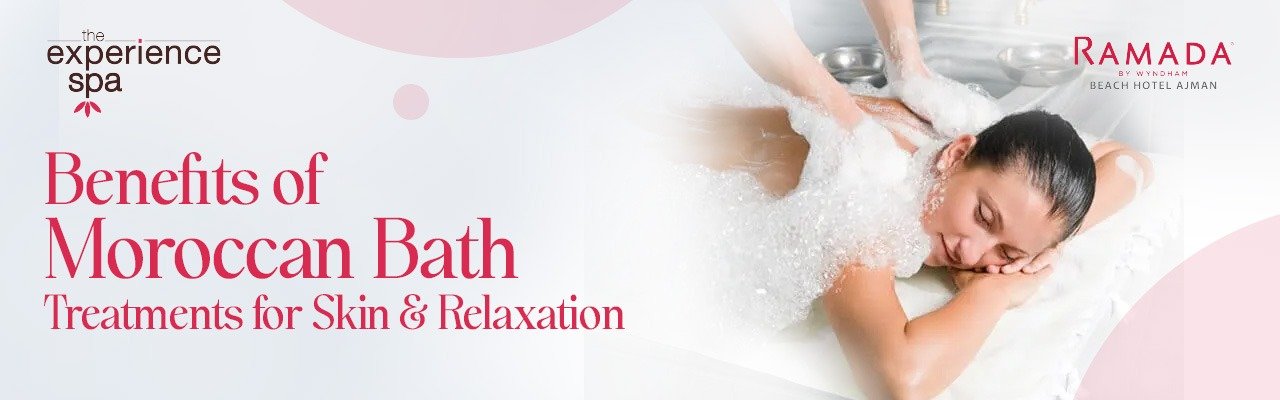
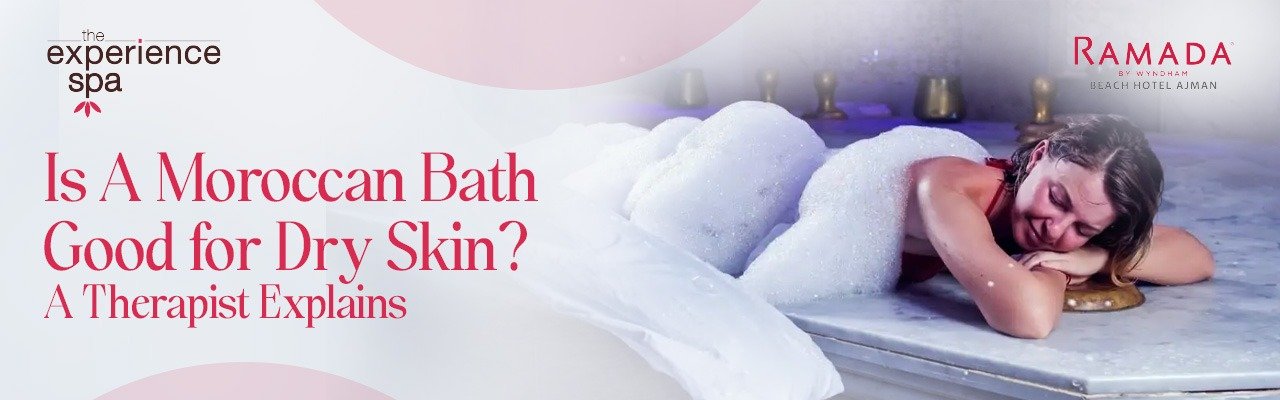
A Moroccan bath can be a helpful addition to a dry skin care routine. During the treatment, steam softens the skin, while gentle exfoliation helps remove the layer of dead cells that can leave the body feeling rough and looking dull. However, the results also depend on how gently the skin is treated, how often you book a session, and how well you care for your skin afterwards.
Living in Ajman can be challenging for people with dry skin, especially during the summer months. Spending time outdoors in the heat and then moving into air-conditioned spaces can leave the skin feeling uncomfortable and dehydrated. Frequent hot showers and regular sun exposure can add to the problem. Although applying moisturiser helps, rough and flaky skin may still need gentle exfoliation as part of a regular body care routine.

What happens during a Moroccan bath ?

The hammam has been part of Moroccan life for centuries. A spa session follows four steps:

  1. Steam. Warm, moist air softens the outer layer of your skin.
  2. Black soap. The therapist applies beldi soap, a soft olive-based paste, and leaves it on for a few minutes.
  3. Kessa scrub. A textured kessa mitt lifts away dead skin in long, firm strokes. First-timers are often surprised at how much comes off.
  4. Rinse and nourish. A warm rinse, then argan oil, a clay mask or body lotion.

Why dry skin needs more than moisturiser ?

Your skin’s outer layer works like a wall that holds water in. In dry skin that wall is weaker, so water escapes and the skin flakes, itches and sometimes cracks. Dead cells also pile up, which is why dry patches look ashy.

Moisturiser adds water and oil to the surface, but it can’t clear that build-up. Dry skin needs gentle cleansing, regular removal of dead skin, and moisture applied straight after. A Moroccan bath does all three in one visit.

How a Moroccan Bath Can Help Dry Skin ?

Gentle cleansing: Moroccan black soap helps cleanse the skin while softening the surface. Unlike some harsh body cleansers, it is traditionally used with steam to prepare the skin for exfoliation.

Removes dead skin buildup: While the treatment , a kessa glove is used to gently exfoliate the body. This helps clear away dead skin cells which contribute a rough texture and dull appearance, leaving the skin feeling smoother and refreshed.

Your moisturiser finally works. With the flakes gone, oils and creams absorb instead of sitting on top.

It helps you switch off. The warmth and slow scrubbing make it deeply relaxing.

Is a Moroccan bath safe for dry or sensitive skin?

A Moroccan bath can suit dry skin when the exfoliation is done gently. Before starting, let your therapist know if your skin tends to feel dry, delicate or easily irritated. They can adjust the pressure to keep the treatment comfortable. You may notice slight redness after the scrub, but it should settle within a short time. If you experience pain, burning or skin irritation, the treatment should be stopped.

Check with your doctor or dermatologist first if you:

  • Have eczema, psoriasis or another active skin condition
  • Have sunburn, open cuts or a rash
  • Have had waxing, laser or a chemical peel in the past week
  • Are pregnant, or have a heart condition or low blood pressure

How often should you book one?

Every three to four weeks suits most dry skin, since the surface layer takes roughly a month to renew. Scrubbing more often can leave skin red, irritated and drier than before.

Aftercare: keep your skin soft

  • Moisturise the same evening with argan oil, sweet almond oil or an unscented cream, ideally on slightly damp skin.
  • Drink plenty of water.
  • Keep showers short and lukewarm.
  • Avoid strong sun for the rest of the day and wear sunscreen. Freshly exfoliated skin burns faster.
  • Skip chlorinated pools that day, and wait a few days before waxing, self-tanning or scrubbing again.

What to look for in a Moroccan bath in Ajman ?

Choose a spa with trained therapists who ask about your skin first, real black soap, a fresh kessa mitt for every guest, a proper steam room and clear pricing.

Frequently asked questions

Yes, for most people. Steam and black soap soften the skin, and the kessa scrub removes the dead cells that make it rough. Moisturiser absorbs better afterwards.

A body scrub uses salt or sugar in a single step. A Moroccan bath softens the skin first with steam and black soap, then lifts dead skin with a kessa mitt.

It shouldn't. The scrub feels firm but never painful. Tell your therapist if it feels too strong and they will lighten the pressure.

Yes. Air conditioning dries skin most in summer, so that is when it often helps most.

Final Thoughts

A Moroccan bath can be a good addition to your dry skin care routine when performed with the right technique and gentle pressure. Eliminating dead skin cells and rejuvenating the skin afterwards, it helps leave your body feeling smoother, softer and refreshed. If Ajman’s summer heat and constant air conditioning have made your skin feel rough or dull, a professional Moroccan bath may be worth considering. At The Experience Spa, Ajman, we offer a traditional Moroccan bath experience designed around your skin’s needs. Give your skin the care it deserves and enjoy a relaxing session with us.

Ready to book your session?

Treat yourself to the authentic ritual of a Moroccan Bath The Experience Spa, located inside the Ramada by Wyndham Beach Hotel Ajman.

Call or WhatsApp us to reserve your duo session: 📞 055 610 3053

Read Our Latest Health Guides